
The Observation: What's Happening
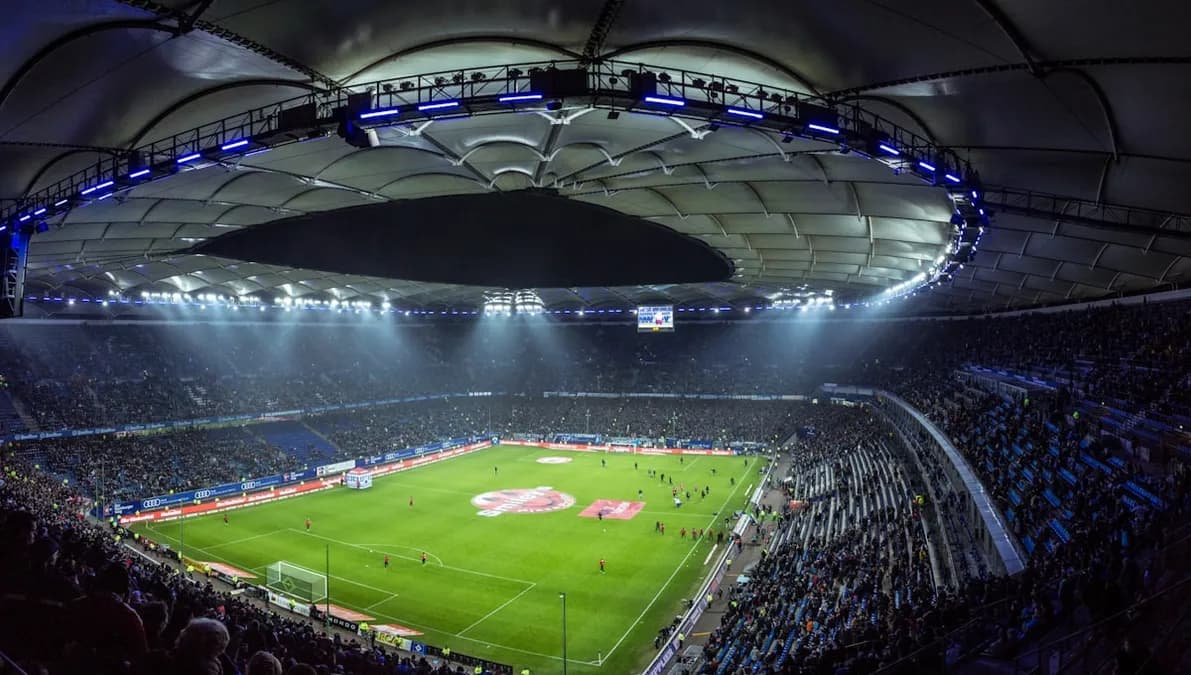
Less than a month before the kick-off of the 2026 World Cup, co-hosted by the United States, Mexico, and Canada, the US Team is confronted with a worrying reality: the low mobilization of its supporters in the stadiums. Despite the global enthusiasm around the event, the stands dedicated to the Americans often remain sparse, which raises real concern among the management and players.
This lack of enthusiasm is all the more striking as this edition of the World Cup is taking place partly on American soil, a historic opportunity for soccer in the United States. However, according to information relayed by RMC Sport, the national team is struggling to attract its fans, who are often absent during key matches, which affects the support dynamic and atmosphere in the stadiums.
Why is This Happening?
Several factors explain this relative disaffection of American supporters. First, soccer, despite its notable progress in the United States, remains in competition with other major sports like American football, basketball, or baseball, which capture the attention and loyalty of fans. This phenomenon limits the popular engagement around the national team in major competitions.
Next, the composition of the American population, very diverse, implies that the passion for soccer is not homogeneous. Certain communities, particularly those from Latin America, may feel closer to teams from Mexico or other nations, which dilutes the identification with the US Team during the World Cup.
Finally, the management of communication and promotion around the team has not yet succeeded in creating a real popular momentum. The absence of a deeply rooted football culture makes it difficult to create a massive attachment, all the more so as recent sports results have not always galvanized the crowds.